
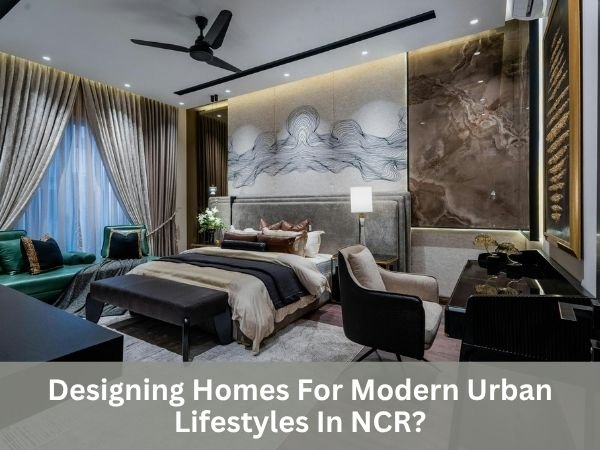
Urban life in the National Capital Region comes with a unique mix of opportunities, convenience, and challenges. With busy work schedules, compact apartments, growing families, and evolving lifestyles, homeowners increasingly want interiors that do more than simply look attractive. They need homes that are comfortable, organized, flexible, and easy to maintain.
A thoughtfully planned interior can transform even a compact urban property into a practical and welcoming environment. The key is to understand how modern residents use their homes and then design each space around those needs.
Make The Most Of Every Square Foot
Space is often one of the biggest concerns in urban homes. Instead of filling rooms with oversized furniture, homeowners can use customized solutions that make better use of available areas.
Built-in wardrobes, floating cabinets, corner storage, and multifunctional furniture can help maximize space without making rooms feel crowded. Vertical storage is another effective option, particularly in bedrooms, kitchens, and utility areas.
A well-planned layout ensures that every part of the home serves a meaningful purpose.
Create Flexible Living Spaces
Modern lifestyles are constantly changing. A living room may function as an entertainment area in the evening, a workspace during the day, and a study zone for children.
Flexible furniture can make these transitions easier. Foldable desks, movable seating, extendable dining tables, and multifunctional storage units allow homeowners to adapt their interiors according to changing requirements.
This flexibility is especially valuable for apartments where dedicated rooms may be limited.
Design A Kitchen Around Your Routine
The kitchen is an important part of any modern home, and its design should reflect the family’s cooking habits.
A well-planned modular kitchen can include:
- Pull-out pantry units
- Corner storage solutions
- Cutlery organizers
- Tall cabinets
- Appliance-specific spaces
- Easy-to-clean surfaces
Good planning reduces unnecessary movement and keeps frequently used items within easy reach. The result is a kitchen that feels organized and efficient rather than crowded.
Bring Natural Light Indoors
Natural light can make urban homes feel more spacious and inviting. Large windows, glass partitions, light-colored walls, and reflective surfaces can help distribute daylight throughout the interior.
Instead of completely blocking windows with heavy curtains, homeowners can consider layered window treatments that provide privacy while allowing sunlight to enter.
Natural ventilation should also be considered wherever the property’s layout permits it.
Choose Low-Maintenance Materials
Busy urban homeowners often have limited time for extensive home maintenance. Therefore, interior materials should be selected with practicality in mind.
Durable laminates, stain-resistant surfaces, easy-to-clean flooring, moisture-resistant boards, and quality hardware can reduce everyday maintenance requirements.
Choosing materials based on how a room is used helps ensure that the interiors remain attractive despite regular wear and tear.
Incorporate Work-From-Home Solutions
The rise of hybrid working has changed the way homes are designed. Even homeowners without a separate office may need a comfortable workspace.
A compact study nook can be created using:
- Wall-mounted desks
- Built-in shelving
- Ergonomic seating
- Concealed cable management
- Task lighting
These solutions provide a dedicated work environment without taking up an entire room.
Use Lighting To Create Different Moods
Lighting plays a major role in making a home comfortable after a busy day. Instead of depending on a single ceiling fixture, use a combination of ambient, task, and accent lighting.
Pendant lights can enhance dining areas, under-cabinet lighting can improve kitchen visibility, and warm accent lights can make living rooms feel more relaxing.
Smart lighting controls can further improve convenience in modern homes.
Add Personal Character
Contemporary interiors do not need to feel impersonal. Personal touches such as artwork, photographs, plants, books, and handcrafted accessories can give a home individuality.
Rather than following every design trend, choose elements that genuinely reflect your personality and lifestyle. This creates a home that feels authentic and comfortable.
Think Beyond Appearance
A successful urban interior should balance aesthetics with everyday practicality. Furniture placement, storage, lighting, ventilation, acoustics, and movement should all be considered during the planning stage.
Professional interior designers can identify opportunities that homeowners may overlook and develop solutions specifically suited to the property’s dimensions and requirements.
Modern urban homes need to adapt to increasingly dynamic lifestyles. Smart space planning, flexible furniture, efficient kitchens, dedicated work areas, natural lighting, durable materials, and personalized décor can turn an ordinary property into a highly functional and comfortable home.
The goal is not simply to create a visually impressive interior but to design a space that supports the way people actually live. Ducasa helps homeowners achieve this balance through customized furniture, modular kitchens, intelligent space planning, and personalized interior solutions. With thoughtful design and expert execution, even a busy urban home can become a stylish, practical, and comfortable retreat.