
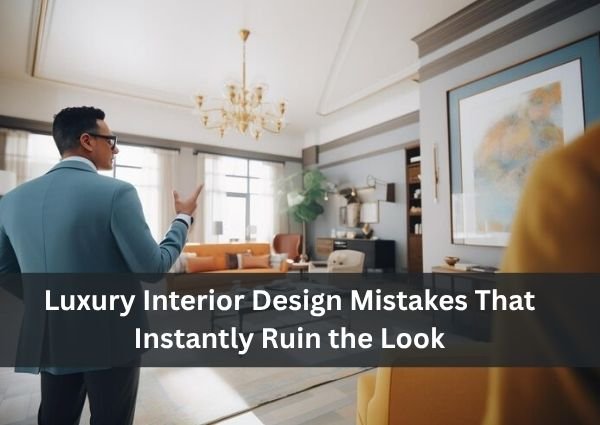
Luxury interior design is not simply about filling a home with expensive furniture, decorative accessories, or premium materials. True luxury comes from creating a space that feels elegant, balanced, comfortable, and thoughtfully designed. Even high-quality interiors can lose their appeal when certain design mistakes are made. Poor proportions, excessive decoration, unsuitable lighting, or mismatched materials can make a luxury home appear cluttered rather than sophisticated.
Whether you are designing a new home, renovating an existing property, or planning a high-end apartment interior, understanding these common mistakes can help you achieve a more refined and timeless result.
Common Luxury Interior Design Mistakes to Avoid
Overloading the Space With Luxury Elements
One of the biggest mistakes in luxury interiors is trying to showcase every premium feature at once. Marble walls, metallic finishes, elaborate furniture, statement lighting, patterned fabrics, and decorative accessories can individually look beautiful, but using too many of them together can overwhelm the room.
Luxury design usually benefits from restraint. Select a few statement elements and allow them to become focal points. For example, an elegant chandelier can take center stage in a living room without competing with multiple oversized decorative pieces.
Choosing Furniture That Is Too Large or Too Small
Furniture should be proportional to the room. Oversized sofas, large dining tables, or bulky cabinets can make a spacious room feel restricted, while furniture that is too small can make a large room appear unfinished.
Before purchasing furniture, consider the dimensions of the room and maintain comfortable walking spaces. Professional space planning can help determine appropriate furniture sizes and arrangements.
Ignoring Lighting Design
Lighting has a major influence on how luxury interiors look and feel. Depending entirely on a single ceiling light can make even an expensive interior appear flat. Luxury spaces typically benefit from layered lighting that combines ambient, task, and accent illumination.
Pendant lights, wall sconces, concealed lighting, floor lamps, and accent lights can create depth and highlight architectural features. Warm, appropriately positioned lighting can also enhance materials such as wood, stone, glass, and metal.
Using Too Many Colors and Patterns
A luxury interior does not necessarily need a complicated color palette. Combining too many bold colors and patterns can create visual competition and reduce the sense of harmony.
Neutral tones such as beige, cream, taupe, grey, white, and natural wood can provide a sophisticated foundation. Richer colors can then be introduced through artwork, upholstery, cushions, rugs, or selected statement pieces.
Neglecting Functionality
A beautiful interior still needs to function comfortably for everyday life. Choosing furniture or layouts purely for appearance can result in limited storage, uncomfortable seating, difficult movement, or impractical spaces.
Luxury should include convenience. Built-in storage, well-planned kitchens, comfortable furniture, accessible lighting controls, and practical layouts can make an interior feel both premium and livable.
Mixing Too Many Design Styles
Combining design influences can create an interesting interior when done carefully, but using too many unrelated styles can make a space look inconsistent. For example, pairing contemporary furniture with traditional elements can work when materials, colors, and proportions create a visual connection.
A clear design direction should guide the selection of furniture, finishes, lighting, artwork, and accessories.
How to Create a Sophisticated and Timeless Luxury Interior
Focus on Quality and Proportion
Instead of selecting numerous decorative items, prioritize high-quality materials and carefully chosen pieces. Natural stone, quality wood, premium fabrics, elegant metal finishes, and well-crafted furniture can create a luxurious appearance without excessive decoration.
Proportion is equally important. Architectural details, furniture, artwork, rugs, and lighting should relate to one another in scale. Even simple materials can appear sophisticated when they are used thoughtfully.
Create Balance Through Texture
Texture can add depth and richness without relying on excessive colors or patterns. Combine smooth surfaces with soft fabrics, natural wood, stone, glass, metal, and textured finishes to create visual interest.
For example, a neutral living room can become much more sophisticated when a textured rug, upholstered furniture, wooden accents, curtains, and subtle metallic details are layered together.
Leave Some Negative Space
Empty space is not wasted space in luxury interior design. Allowing certain areas of a room to remain visually open can make important furniture, artwork, or architectural features stand out.
Avoid filling every wall, shelf, or tabletop with decorative objects. Carefully selected accessories generally create a more polished appearance than a large collection of unrelated items.
Personalize the Interior
A luxury home should reflect the personality and lifestyle of its occupants. Custom furniture, artwork, photographs, unique accessories, and carefully selected décor can give the interior character.
The goal is to create a home that feels intentional rather than copied from a showroom. A professional designer can help combine personal preferences with appropriate proportions, materials, colors, and layouts.
Luxury interior design is ultimately about achieving a balance between aesthetics, comfort, functionality, and quality. Avoiding common mistakes such as overcrowding, poor lighting, mismatched styles, and incorrect proportions can help create an interior that remains elegant for years.
Ducasa provides the best interior services regarding luxury interior design, home interiors, space planning, customized furniture, and complete interior solutions.