
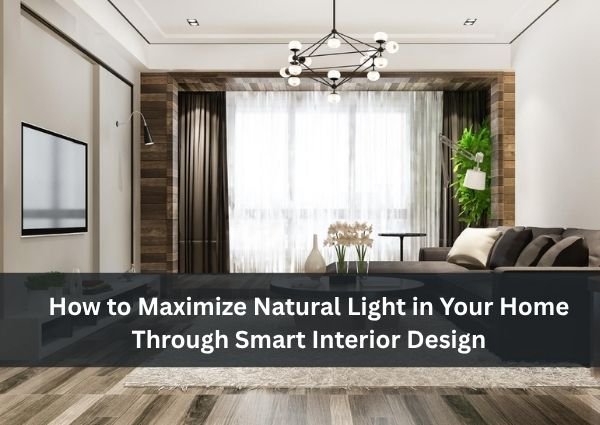
Natural light plays a major role in making a home feel spacious, welcoming, and comfortable. Beyond aesthetics, it also improves mood, supports well-being, reduces energy consumption, and enhances the overall functionality of living spaces. Yet many homes do not fully utilize the natural light available to them due to poor layouts, heavy furnishings, or ineffective design choices.
The good news is that smart interior design can significantly improve how natural light flows through your home. With the right combination of layout planning, materials, colors, and design elements, even spaces with limited windows can feel brighter and more open. Maximizing natural light is not only about adding windows but also about making thoughtful design decisions that help distribute light effectively throughout the home.
Smart Design Strategies to Increase Natural Light
One of the most effective ways to maximize natural light is through thoughtful space planning. Open layouts allow sunlight to travel freely between rooms instead of being blocked by unnecessary walls or bulky partitions. Open-plan living and dining areas often feel brighter because they allow light to spread across a larger space.
Choosing the right color palette is equally important. Light-colored walls, ceilings, and flooring reflect natural light rather than absorb it. Shades such as white, cream, beige, and soft neutrals can instantly make rooms feel more illuminated and spacious.
Mirrors are a powerful design tool for amplifying natural light. Strategically placing mirrors opposite or near windows helps reflect sunlight deeper into the room. Large mirrors, mirrored panels, or reflective décor elements can significantly brighten darker corners.
Window treatments also affect how much light enters a space. Heavy curtains or dark drapes can block sunlight, while sheer curtains, light fabrics, or minimal window coverings allow maximum daylight while maintaining privacy.
Glass elements can also improve light flow. Interior glass doors, glass partitions, or even frosted panels can allow sunlight to pass between spaces without compromising separation. This is especially useful in smaller homes or apartments.
Furniture placement should not obstruct windows. Large cabinets, tall shelving units, or oversized furniture placed near windows can reduce the amount of light entering a room. Keeping window areas open helps ensure unobstructed sunlight.
Reflective materials such as glossy tiles, polished surfaces, metallic finishes, and glass accents can further enhance brightness by bouncing light around the space.
Interior Design Elements That Enhance Brightness and Openness
Beyond basic layout and color choices, certain interior design elements can dramatically improve the perception of natural light in a home.
Skylights are an excellent solution for bringing daylight into areas where wall windows may be limited, such as hallways, bathrooms, or upper-floor spaces. They can introduce direct natural light and create a more open atmosphere.
Using lighter flooring materials can also make a noticeable difference. Light wood finishes, pale tiles, or neutral-toned flooring help reflect sunlight and contribute to an airy feel.
Minimalist design often supports brighter interiors because it reduces visual clutter. Too many decorative objects, heavy furnishings, or crowded layouts can make a space feel darker and smaller. A clean, organized interior allows light to remain a defining feature of the room.
Indoor plants can also complement naturally lit interiors when used thoughtfully. Placing greenery near windows can enhance the freshness of a bright space without blocking sunlight.
Layered lighting should also work alongside natural light. While the goal is to maximize daylight, combining it with well-designed ambient and task lighting ensures the home remains functional throughout the day and evening.
Another important consideration is using doors and partitions strategically. Replacing solid doors with glass-paneled doors or using open shelving as dividers can preserve light flow while maintaining spatial definition.
Even architectural details such as higher ceilings, larger window frames, and open sightlines can contribute to a brighter interior. These design choices make spaces feel more expansive and allow natural light to become a key part of the home’s atmosphere.
Maximizing natural light through smart interior design is about more than brightness alone. It creates a healthier, more energy-efficient, and visually appealing home while enhancing comfort and functionality.
Ducasa Interior provides the best interior services for maximizing natural light through smart interior design, offering customized solutions that make homes brighter, more elegant, and beautifully functional.