
Luxury interior design is often associated with expensive furniture, premium materials, and grand spaces, but true luxury goes far beyond visible opulence. What makes a space feel genuinely luxurious is often the result of subtle design strategies, thoughtful planning, and refined details that many homeowners may not notice. These are the elements professional designers use to create interiors that feel elegant, timeless, and sophisticated.
The reality is that luxury design is not always about spending more. It is often about making smarter choices in proportion, materials, layering, and spatial harmony. Many of the techniques designers use to achieve high-end interiors are rarely discussed openly, yet they can make a dramatic difference in how a home looks and feels.
Luxury Begins with Layering, Proportion, and Material Selection
One of the biggest secrets in luxury interior design is layering. High-end spaces rarely rely on a single statement piece. Instead, they combine multiple textures, finishes, and materials to create depth and richness. This could include mixing wood, stone, glass, metal, fabric, and natural elements in a balanced way.
Texture plays a major role in making a room feel luxurious. Soft upholstery, textured wall finishes, rich curtains, rugs, and carefully selected decorative accents all contribute to a layered and sophisticated atmosphere.
Another hidden principle is proportion and scale. Luxury interiors are carefully planned so furniture, lighting, artwork, and architectural features feel balanced within the space. Oversized furniture in a small room or undersized lighting in a large room can disrupt the sense of elegance. Designers pay close attention to scale to create harmony.
Material quality matters more than quantity. Many assume luxury means using the most expensive materials everywhere, but designers often focus on selective use of premium materials in the right places. A statement marble surface, high-quality wood veneer, or custom metal detailing can create more impact than overloading a space with costly finishes.
Custom detailing is another luxury secret. Built-in cabinetry, tailored furniture, bespoke wall treatments, and custom joinery often make interiors feel exclusive. These details create a polished, intentional look that mass-produced elements rarely achieve.
Lighting is also a defining factor. Luxury spaces use layered lighting, combining ambient, task, accent, and decorative lighting to create mood and highlight architectural details. It is rarely just about a central chandelier; it is about how light shapes the entire environment.
The Hidden Design Strategies That Create a High-End Look
One of the most overlooked luxury design secrets is restraint. Many people assume luxury means adding more, but designers often remove unnecessary elements to create cleaner, more refined spaces. Thoughtful editing is a major part of sophisticated design.
Consistency in design language is another secret. Luxury interiors usually maintain a cohesive visual story. Colors, finishes, shapes, and materials relate to one another, creating flow throughout the home. This sense of continuity often makes spaces feel more expensive and professionally designed.
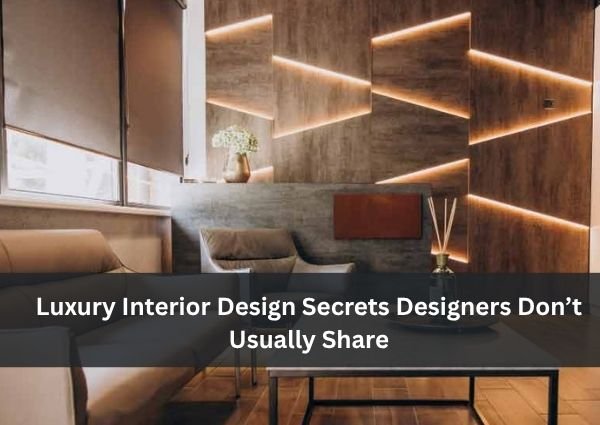
Architectural enhancements can also transform ordinary interiors. Designers often use subtle additions such as wall paneling, ceiling treatments, moldings, or concealed doors to add depth and character. These features often make a home feel custom-built and elevated.
Another secret is using focal points strategically. Rather than making every element compete for attention, luxury interiors often feature a few strong focal points, such as a statement light fixture, artwork, fireplace, or feature wall, supported by more understated surrounding elements.
Storage is another hidden factor in luxury design. High-end spaces often feel calm and uncluttered because of well-planned concealed storage. Custom wardrobes, hidden cabinetry, and integrated storage solutions help maintain a clean and elegant appearance.
Designers also understand the power of negative space. Leaving breathing room around furniture and décor allows the space to feel more open, balanced, and sophisticated. Not every corner needs to be filled.
Finally, luxury often comes from personalization. The most refined interiors reflect the homeowner’s lifestyle, tastes, and individuality. True luxury feels curated, not generic.
Luxury interior design is often built on thoughtful details, not obvious extravagance. Understanding these hidden principles can help homeowners create elegant, timeless spaces that feel truly high-end.
Ducasa Interior provides the best interior services for luxury interior design, offering customized, sophisticated, and expertly crafted solutions that bring timeless elegance and premium functionality to every space.