
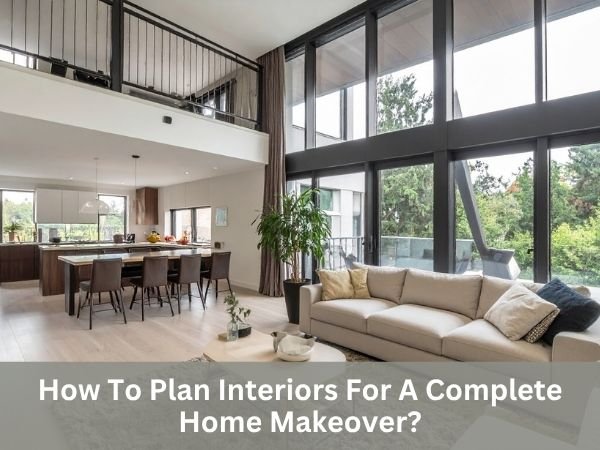
Giving your entire home a new look is an exciting opportunity to improve both its appearance and functionality. However, a complete interior makeover involves much more than choosing new furniture or changing wall colors. Every room needs to work together while still serving its individual purpose. Careful planning helps you avoid unnecessary expenses, design mistakes, and last-minute changes.
Whether you are renovating an apartment, villa, or independent house, a well-structured interior plan can turn your vision into a comfortable and stylish living environment. Here are some practical steps to consider before beginning your home transformation.
Begin With Your Lifestyle And Requirements
Before selecting colors, furniture, or finishes, think about how your family uses the home. Identify what works well in your existing layout and what needs improvement.
Consider questions such as:
- Do you need more storage?
- Is your kitchen difficult to organize?
- Do you require a home office?
- Are certain rooms underused?
- Do you want more open space?
Understanding your everyday requirements creates a strong foundation for the entire design process.
Set A Realistic Budget
A clear budget helps you make informed choices throughout the renovation. Divide your estimated spending among furniture, flooring, lighting, electrical work, décor, kitchen upgrades, wardrobes, and other requirements.
It is also wise to keep a contingency amount for unexpected expenses. Having a financial plan allows you to prioritize essential improvements without compromising the overall quality of the project.
Create A Consistent Design Theme
A complete home makeover should feel visually connected. Instead of giving every room a completely different appearance, choose a common design language.
You can maintain consistency through:
- Similar flooring
- Coordinated color palettes
- Matching wood finishes
- Complementary lighting
- Consistent hardware
Individual rooms can still have their own personality while maintaining harmony throughout the home.
Plan Space Before Choosing Furniture
Furniture should fit the room rather than make the room feel crowded. Measure each area carefully and determine where essential furniture should be placed before making purchases.
Leave sufficient space for comfortable movement and consider door openings, windows, electrical points, and natural light.
Customized furniture can be particularly useful when rooms have unusual dimensions or limited space.
Focus On Smart Storage
A successful makeover should make your home easier to organize. Built-in wardrobes, modular cabinets, floating shelves, storage beds, and multifunctional furniture can help reduce clutter.
Use vertical space wherever possible. Floor-to-ceiling storage can provide significantly more capacity without occupying additional floor area.
Well-planned storage also contributes to a cleaner and more sophisticated appearance.
Upgrade The Kitchen For Everyday Efficiency
The kitchen deserves special attention because it is one of the most frequently used areas of a home. Consider improving cabinet layouts, countertop space, lighting, and storage accessories.
Features such as pull-out pantry units, corner organizers, drawer systems, and appliance garages can make everyday tasks more convenient.
A modern modular kitchen can combine practical storage with an attractive design that complements the rest of the home.
Design Lighting In Layers
An interior’s ambiance can be drastically altered by lighting. Instead of depending on one central fixture, combine ambient, task, and accent lighting.
For example, pendant lights can illuminate a dining area, under-cabinet lighting can improve kitchen visibility, and concealed LEDs can create a relaxing ambience in living spaces.
Whenever possible, maximize natural light through suitable curtains, mirrors, glass elements, and open layouts.
Choose Materials For Long-Term Use
Beautiful interiors should also be durable. Select materials based on the purpose of each space and the level of daily use.
For busy households, prioritize surfaces that are easy to clean and resistant to moisture, scratches, and regular wear. Quality hardware is equally important because hinges, drawer channels, and handles are used frequently.
Spending wisely on durable materials can reduce maintenance and replacement costs later.
Add Personal Elements
Your home should feel personal rather than looking like a showroom. Add artwork, photographs, plants, books, collectibles, or handcrafted décor that represents your personality.
An otherwise immaculate environment may feel cozy and welcoming with a few thoughtful touches.
Work With Experienced Professionals
Managing a complete home makeover can involve multiple tasks, including design, furniture production, electrical work, civil modifications, material selection, and installation. Working with an experienced interior design team can simplify coordination and reduce execution challenges.
Professionals can also help balance aesthetics, functionality, budget, and long-term requirements.
A successful home transformation begins with thoughtful planning rather than impulsive design decisions. By understanding your lifestyle, setting a realistic budget, coordinating design elements, maximizing storage, selecting durable materials, and prioritizing functionality, you can create interiors that remain beautiful and practical for years.
For homeowners looking for personalized interior solutions, Ducasa brings together design expertise, customized furniture, modular kitchens, and thoughtful space planning to transform individual ideas into comfortable and stylish homes. With the right planning and professional guidance, your complete home makeover can become a rewarding investment in the way you live every day.