
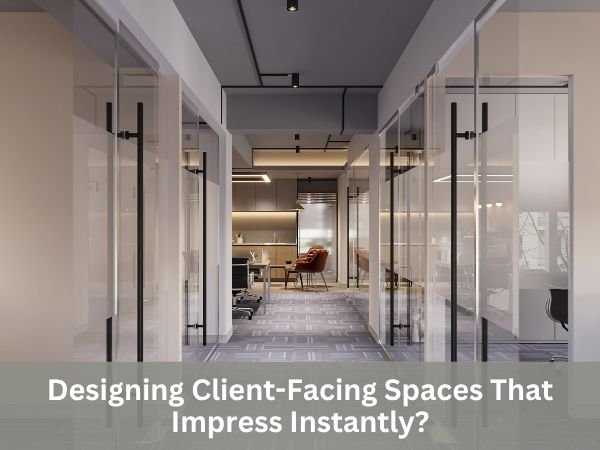
In business, first impressions can influence how clients perceive a company before a single conversation begins. The entrance, reception desk, meeting room, lighting, furniture, and even the way people move through a workplace can communicate professionalism and attention to detail. For this reason, businesses are paying greater attention to the design of areas where clients and visitors interact with their brand.
A well-planned client-facing environment should look impressive, but appearance alone is not enough. It must also be comfortable, functional, welcoming, and aligned with the company’s identity. Thoughtful commercial interior design can turn an ordinary workplace into an environment that builds confidence from the moment a visitor walks through the door.
Start With A Strong Entrance
The entrance is often the first physical interaction a visitor has with a business. It should immediately establish a sense of professionalism and clarity.
A well-designed entrance can include:
- Clearly visible company signage
- A welcoming reception desk
- Comfortable seating
- Appropriate lighting
- Clean and uncluttered décor
The design should reflect the nature of the business. A creative agency may prefer an expressive and contemporary environment, while a financial or legal firm may benefit from a more refined and understated aesthetic.
Create A Welcoming Reception Area
The reception area should make visitors feel comfortable while efficiently managing arrivals. Furniture should be attractive but also practical, with enough seating for expected traffic.
Reception desks can be customized to incorporate storage, technology, branding, and lighting. Comfortable seating, greenery, artwork, and carefully selected finishes can further enhance the atmosphere.
The goal is to create a space that feels professional without appearing cold or overly formal.
Reflect The Brand Through Design
A commercial interior should tell visitors something about the company. Brand identity can be incorporated through colors, materials, graphics, furniture, signage, and architectural elements.
However, branding should be subtle and intentional. Covering every surface with logos can make an interior feel overwhelming. Instead, designers can use signature colors, branded artwork, feature walls, or customized furniture to create a consistent visual identity.
Use Lighting Strategically
Lighting can dramatically influence how a commercial space feels. Poor lighting may make an office appear dull or uncomfortable, while carefully planned illumination creates a brighter and more welcoming environment.
A combination of ambient, task, and accent lighting can be used to:
- Highlight architectural features
- Illuminate reception desks
- Improve visibility
- Create comfortable meeting spaces
- Showcase products or displays
Natural light should also be maximized wherever possible.
Select Furniture For Comfort And Style
Client-facing furniture needs to balance aesthetics with comfort. Visitors may spend considerable time waiting for appointments or participating in meetings, so uncomfortable seating can negatively affect their experience.
Choose furniture that complements the company’s design language while providing proper support. Customized tables, reception counters, storage units, and seating arrangements can help create a cohesive appearance.
Plan Visitor Movement Carefully
Good commercial design considers how people move through a space. Visitors should be able to identify reception areas, meeting rooms, restrooms, and other facilities without confusion.
Clear pathways, intuitive layouts, appropriate signage, and well-positioned furniture improve navigation while making the environment feel organized.
A clutter-free circulation plan also creates a stronger impression of operational efficiency.
Incorporate Technology Seamlessly
Technology is frequently needed in contemporary client-facing areas for visitor management, digital displays, video conferences, and presentations.
Technology should be integrated without allowing wires and equipment to dominate the design. Concealed cable management, built-in charging points, smart displays, and integrated audiovisual systems help maintain a polished appearance.
Add Elements That Create Comfort
Small details can have a significant impact on visitor experience. Indoor plants, artwork, textured surfaces, acoustic treatments, and carefully selected accessories can make commercial spaces feel more welcoming.
Acoustic planning is especially important in meeting rooms and reception areas. Reducing excessive noise creates a more comfortable environment and supports private conversations.
Keep The Design Consistent
Every client-facing area should feel connected to the rest of the business. Consistency in colors, materials, furniture styles, and finishes creates a professional visual identity.
At the same time, different zones can have distinct functions. A reception area can feel welcoming, while a conference room can have a more formal and focused atmosphere.
Think About Long-Term Practicality
After the first thrill wears off, an impressive interior should continue to be useful. Select durable materials that can withstand frequent use and are easy to maintain.
High-quality flooring, stain-resistant surfaces, durable furniture finishes, and reliable hardware can help preserve the appearance of the space over time.
Creating a strong first impression requires more than expensive furniture or fashionable décor. Successful client-facing interiors combine thoughtful space planning, comfortable furniture, strategic lighting, brand expression, technology integration, and durable materials. When these elements work together, visitors experience a space that feels professional, organized, and trustworthy.
For businesses looking to create distinctive commercial environments, Ducasa offers professional interior design, customized furniture, space planning, and turnkey solutions tailored to individual brand requirements. With the right design strategy, your workplace can make a positive impression from the very first moment and reinforce your company’s professionalism throughout every client interaction.