
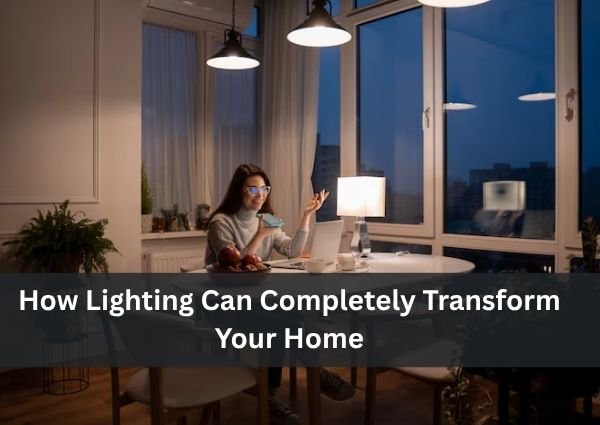
Lighting is one of the most important elements of interior design, yet it is often overlooked during home planning. Furniture, wall colors, flooring, and décor may receive considerable attention, but the right lighting can bring all these elements together. It can influence how spacious a room feels, highlight architectural features, create a comfortable atmosphere, and improve the functionality of everyday spaces.
A thoughtfully designed lighting plan does much more than simply brighten a room. Different types of lighting can create depth, emphasize textures, define zones, and change the mood according to the time of day. Whether you are designing a new home or renovating an existing space, investing time in lighting design can significantly improve the overall interior experience.
The Role of Lighting in Different Areas of Your Home
Living Room Lighting
The living room is usually one of the most frequently used spaces in a home, so it benefits from a combination of lighting types. Ambient lighting can provide general illumination, while floor lamps, table lamps, wall lights, and accent fixtures can create additional layers.
A statement chandelier or pendant can become a focal point, while concealed ceiling lights can provide a cleaner and more contemporary appearance. Accent lighting can also be used to highlight artwork, textured walls, shelving, or architectural details.
Kitchen Lighting
A kitchen requires lighting that combines functionality with aesthetics. General ceiling lighting can illuminate the overall room, but task lighting is particularly important for countertops and food preparation areas.
Under-cabinet lights can reduce shadows on work surfaces and make cooking more convenient. Pendant lights above an island or breakfast counter can provide focused illumination while adding a decorative element to the kitchen.
Bedroom Lighting
Bedrooms generally benefit from softer and more relaxing lighting. Instead of relying on a single bright ceiling fixture, consider combining ambient lighting with bedside lamps, wall sconces, or concealed lighting.
Bedside lighting can be particularly useful for reading, while dimmable fixtures allow the brightness to be adjusted according to the time of day and activity.
Bathroom Lighting
Bathrooms require functional illumination, especially around mirrors and vanity areas. Well-positioned lights can reduce shadows and provide better visibility for everyday grooming.
A combination of ceiling lighting and mirror or vanity lighting can create a balanced environment. Fixtures should also be selected according to the moisture conditions of the space and appropriate safety requirements.
How the Right Lighting Creates a Better Interior
Create Layers of Light
One of the most effective approaches to home lighting is layering. Ambient lighting provides general brightness, task lighting supports specific activities, and accent lighting highlights decorative or architectural features.
Using all three thoughtfully can prevent rooms from appearing flat or overly bright. It also allows homeowners to adjust the atmosphere for different activities.
Highlight Interior Features
Lighting can draw attention to the parts of your home that you want to showcase. Recessed spotlights can emphasize artwork, textured walls, sculptures, shelves, or statement furniture.
LED strip lighting can also be incorporated into wardrobes, cabinets, niches, TV units, and ceiling details. When installed carefully, these lights can provide a subtle glow without becoming visually distracting.
Make Rooms Feel More Spacious
Properly positioned lighting can influence the perception of space. Wall-washing lights can make surfaces appear brighter and visually expand a room, while concealed lighting around ceilings can create a sense of height.
Mirrors combined with appropriate lighting can further enhance brightness and depth, particularly in compact rooms and corridors.
Use Color Temperature Carefully
The color temperature of a light source can influence the mood of an interior. Warmer lighting can create a cozy and welcoming atmosphere, making it suitable for living rooms and bedrooms. More neutral lighting can be useful in kitchens, study areas, and other spaces where clear visibility is important.
The key is to maintain consistency between fixtures so that different areas of the home do not appear visually disconnected.
Consider Natural Light
Artificial lighting should complement natural daylight rather than work against it. During the daytime, windows and other sources of natural light can provide much of the illumination required.
Curtains, blinds, mirrors, reflective surfaces, and furniture placement can influence how daylight moves through a room. A good lighting plan considers both natural and artificial sources.
Choose Energy-Efficient Solutions
Modern LED lighting can provide efficient illumination while offering a wide range of styles and applications. LEDs can be used for ceiling fixtures, task lighting, accent lighting, wardrobes, cabinets, and decorative features.
Smart lighting systems can also allow homeowners to control brightness, schedules, and selected lighting zones, depending on the system installed.
Good lighting design is about more than choosing attractive fixtures. It requires understanding how each space is used and combining different sources to create comfort, functionality, and visual balance. From a warm bedroom atmosphere to focused kitchen illumination and dramatic living room accents, lighting can completely change how a home looks and feels.
When planned alongside furniture, materials, colors, and architectural details, lighting becomes an essential part of the interior rather than an afterthought.
Ducasa provides the best interior services regarding home interior design, lighting design, modular kitchens, wardrobes, space planning, and complete customized interior solutions.